

01
Aug 2023
- BY Turner Roofing IOW
- POSTED IN Blog, Latest Blogs, Roof Maintenance
- WITH 0 COMMENTS
- PERMALINK
- STANDARD POST TYPE

If you have a roof leak, what can you do?
If you suspect you may have a leak in your roof, it’s essential to take prompt action to prevent any further damage. Here are some steps you could take:


- Safety First: If there is an active leak, it’s crucial to prioritise safety. Place buckets or containers to collect the dripping water and prevent it from damaging the interior of the house. Also, be cautious of slippery surfaces and potential electrical hazards if water is coming into contact with electrical components. REMEMBER – most accidents happen in the home!
- Inspect the Interior: Check the interior of your home for any signs of water damage, such as water stains on ceilings or walls, peeling paint, or mould growth. This can help pinpoint the location of the leak and assess the extent of the damage.
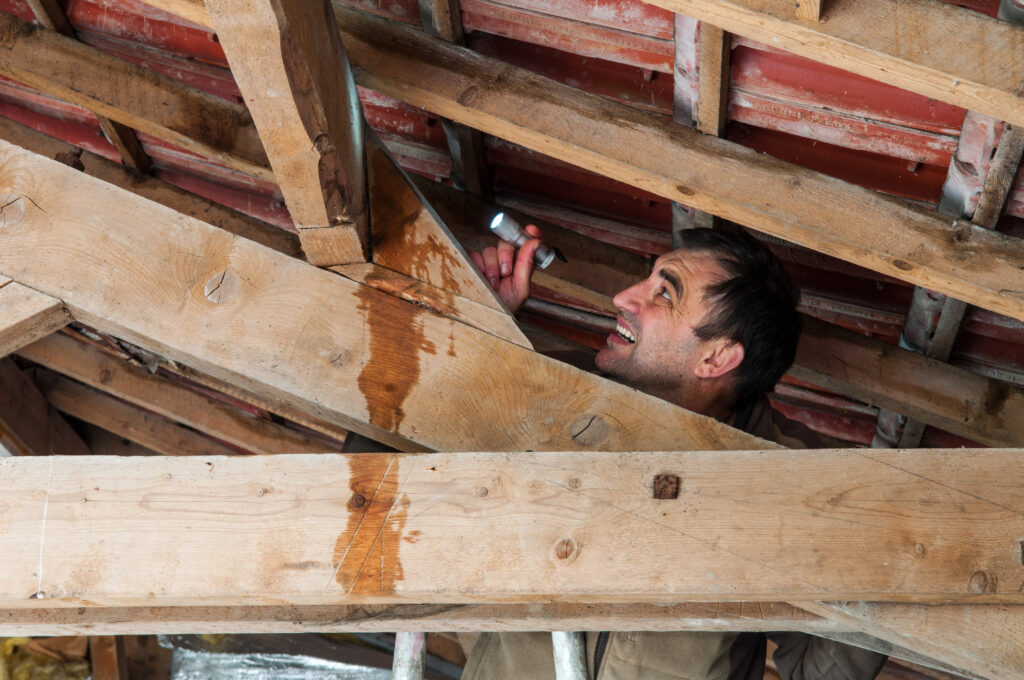
- Check Attic or Crawlspace: If accessible, inspect the attic or crawlspace directly above or beneath the suspected leak. Look for signs of water intrusion, such as wet insulation, dark spots on the wood, or visible water dripping. Attics are usually very dry places. Any moisture should be investigated further.
- Examine the Roof: If it is safe to do so and you’re comfortable with basic roof inspections, use a ladder to visually inspect the roof’s exterior. Look for missing, damaged, or displaced tiles/slate, as well as any gaps, cracks, or other signs of wear and tear that might be causing the leak. Here’s a list of what you could do:
- Safety Precautions: Before climbing onto the roof, ensure you have a sturdy ladder and someone to assist you. Wear appropriate safety gear, including non-slip shoes, gloves and if possible, a safety harness. If you do not feel confident in carrying out the inspection yourself, please call us, your Isle of Wight roofing specialists, on 07495 523535 or email info@turner-roofingiow.co.uk.
- Choose a Good Time: If possible, pick a sunny day with dry weather to conduct the inspection. Wet or slippery conditions can make the roof surface hazardous to walk on and rain can make it challenging to identify where the leak is coming from.
- Use Binoculars: If you’re not comfortable climbing onto the roof, you can use binoculars from the ground to get a closer look at the roof’s condition. Step back, across the road could help. Look for any visible signs of damage, wear, slipped tiles or missing flashing.
- Check for Missing or Damaged Tiles: Inspect the entire roof surface for any missing, cracked, curled, or damaged tiles. Damaged or missing tiles can be a common source of roof leaks.
- Inspect Flashing: Flashing is the metal or rubber material used to seal gaps and joints on the roof, such as around chimneys, vents and skylights. Check for any loose, damaged, or corroded flashing that may allow water to seep in.
- Look for Debris: Clear away any leaves, branches or debris accumulated on the roof. Debris can trap moisture and cause damage to the roof over time.
- Inspect Roof Valleys: Roof valleys are the areas where two sloping roof sections meet. These areas are prone to leaks, so carefully examine the valleys for signs of wear or damage.
- Check Gutters and Downpipes: Clogged gutters and downpipes can cause water to back up and overflow, potentially leading to water seeping into the roof. Ensure that gutters are clean and functioning properly.
- Examine Roof Penetrations: Inspect areas where pipes, vents, and other objects penetrate the roof surface. Check for gaps or compromised seals around these penetrations.
- Inspect Roof Seals and Caulking: Check the seals and caulking around roof vents, chimneys, and other roof penetrations. Deteriorated or cracked seals can be a source of leaks.
- Look for Moss or Algae: Moss and algae growth on the roof can retain moisture and damage tiles. Address any growth and consider using zinc or copper strips to prevent future growth.
- Document the Findings: Take photos or videos of the areas where you suspect the leak and any visible damage. This documentation may be useful for insurance purposes or when consulting with roofing professionals.
- Avoid Making Repairs Yourself: While temporary measures like placing a tarp over the affected area may help in emergencies, it’s best to avoid attempting major roof repairs yourself, especially if you lack experience. Roofing work can be dangerous and is best left to professionals. We also find that ‘home repairs’ can vastly increase the repair cost as we usually need to remove the home repair work first.
- Contact a Roofing Professional: Once you’ve assessed the situation and documented the evidence, reach out to a qualified roofing contractor. They have the expertise to identify the source of the leak accurately and recommend the necessary repairs or maintenance.
- Preventive Maintenance: After the issue is resolved, consider scheduling regular roof inspections and maintenance to prevent future leaks and catch any potential problems early on. See our blog – Roof Maintenance – Is it important? – Turner Roofing Isle of Wight
Remember, addressing a roof leak promptly can save you from more extensive and costly repairs down the road. If you have insurance coverage for your home, contact your insurance provider to enquire about the coverage for roof repairs related to leaks or water damage.
Need a roofing professional? Call us today on 07495 523535 or email info@turner-roofingiow.co.uk.
Turner Roofing Isle of Wight carries out roof inspections on behalf of our clients on a regular basis. These are best carried out annually but we are more than happy to visit on an ad-hoc basis.